Why Is Kyoto Known as the City of a Thousand Shrines?
Japan is a magical place to visit for anyone looking for their next vacation. The country has found a way to seamlessly integrate modern elements with the pre-existing ancient ones. You will see a modern skyline filled with many buildings, which sit alongside historic temples and shrines all over the area. This blend of old and new makes Japan unique and a great place to explore. For those keen on the more historic side of things, Kyoto is an excellent destination to start with, as Japan's former imperial capital is often referred to as the "City of a Thousand Shrines". The name, while poetic, is also used to show the religious background that Japan boasts of. Kyoto is home to over 1,600 Buddhist temples and more than 400 Shinto shrines, making it a spiritual epicentre in Japan.
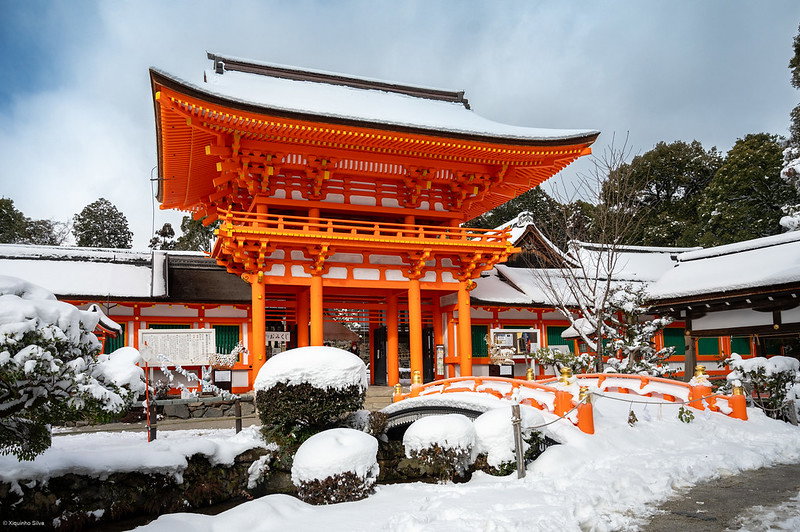
img via flickr
A Historical Cloth, Woven with Spiritual Threads
Founded in 794 as Heian-kyo, Kyoto served as Japan's imperial capital for over a millennium. During this era, the city flourished as a place for religious, cultural, and artistic developments. The mass opening of shrines and temples was not merely a reflection of spiritual devotion but also a manifestation of the city's role as a centre for political and cultural power. The term "City of Ten Thousand Shrines" is more than just a nickname; it's a reflection of Kyoto's dense concentration of sacred sites. While the exact number may vary, the city's landscape is undeniably dotted with countless places of worship, each bearing its unique history and architectural splendour.
The Cultural Significance of Shrines in Kyoto
Beyond their architectural beauty, Kyoto's shrines and temples serve as guardians of Japanese culture and tradition. They are venues for festivals, rituals, and ceremonies that have been passed down through generations. These sacred spaces also play a pivotal role in community bonding, offering residents and visitors alike a place for reflection, prayer, and celebration.
Fushimi Inari Taisha: The Iconic Vermilion Pathways
Among the many shrines in Kyoto, Fushimi Inari Taisha stands out from the rest. Established in 711 A.D, this Shinto shrine is dedicated to the rice and agriculture deity known as Inari. What captivates visitors is the Senbon Torii, a pathway lined with thousands of red torii-style gates, creating a mesmerising tunnel that winds up Mount Inari. These gates, which individuals and businesses donate, symbolise wishes for prosperity and good fortune. The shrine's significance is further amplified by its many paths leading to smaller shrines, offering both spiritual solace and scenic beauty.
Kinkaku-ji: The Golden Reflection
Another jewel in Kyoto's spiritual crown is Kinkaku-ji, also known as the Golden Pavilion. Originally built in 1397 as a retirement villa for shogun Ashikaga Yoshimitsu, it was later converted into a tranquil Zen temple. The temple's top two floors are adorned with gold leaf, reflecting brilliantly on the pond below and creating a picture-perfect scene that shows off Kyoto's harmonious blend of architecture and nature.
Kiyomizu-dera: The Pure Water Temple
Perched on the eastern hills of Kyoto, Kiyomizu-dera offers panoramic views of the city. Founded in 778, this UNESCO World Heritage site is renowned for its wooden stage that juts out from the main hall, suspended over a cliff. The temple's name, meaning "Pure Water Temple", derives from the Otowa Waterfall, whose waters are believed to have wish-granting powers.
Kyoto: Beyond the Shrines
While exploring Kyoto's spiritual sites is a must, the city offers a plethora of other experiences. Here are some of the top things to do in Kyoto.
Visit Nishiki Market
Dubbed "Kyoto's Kitchen", this busy market offers an endless selection of local delicacies, crafts, and souvenirs. This is also in the vicinity of hotels like Park Hotel Kyoto by the Park Hotel Group, which is an added advantage for visitors.
Stroll Through Arashiyama Bamboo Grove
Wander amidst towering bamboo stalks that sway gently in the breeze, creating a peaceful ambience for all.
Participate in a Traditional Tea Ceremony
Attend an event that showcases the meticulous art of Japanese tea preparation, a ritual that embodies harmony and respect.
